Navigating Safe Travels - A Comprehensive Guide to Traveling Securely
Embarking on a journey is a thrilling experience, but ensuring your safety while travelling is paramount for an enjoyable adventure. From pre-planning to on-the-road strategies, here's a comprehensive guide to help you travel safely and confidently.
Research Your Destination:
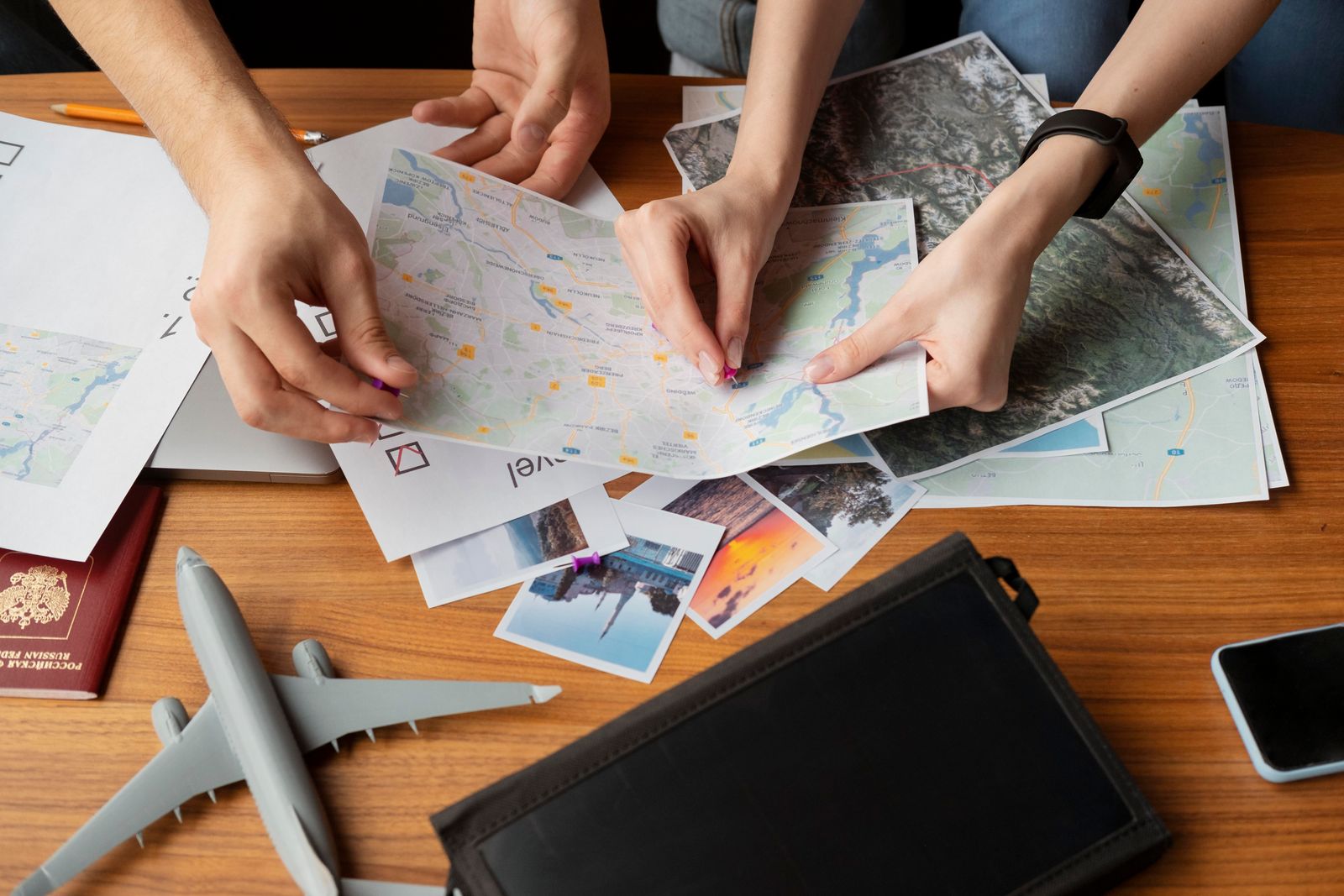
Couple researching on their next travel destination | Image via freepik
When planning a trip, it's essential to prepare properly to ensure a safe and enjoyable experience. One of the most critical steps in this process is to research your destination thoroughly. This includes understanding the local culture, customs, and any potential safety concerns that may exist. By researching the local culture, you can gain a better understanding of the customs and traditions of the area. This can help you to avoid any potential cultural misunderstandings and to show respect for the local people. Additionally, learning about the local customs can enhance your overall travel experience by allowing you to fully immerse yourself in the local culture. Another crucial aspect of travel preparation is to familiarize yourself with the local emergency services. Knowing the contact information for the local police, fire department, and hospital can be a lifesaver in an emergency. You can always ask your concierge at hotels like Pan Pacific PARKROYAL COLLECTION & PARKROYAL for information on local authorities and healthcare services.
Check Travel Advisories:
It's always a good idea to stay updated on travel advisories issued by your government before embarking on any trip. These advisories provide valuable information about safety concerns, health risks, and any political instability in your chosen destination. By keeping abreast of the latest travel advisories, you can make informed decisions about your travel plans, and take necessary precautions to stay safe and healthy during your trip. So, whether you're traveling for business or pleasure, make sure to check your government's travel advisories before you go, and stay informed throughout your trip to ensure a smooth and stress-free travel experience.
Secure Important Documents:
One of the most important international travel tips is to have backup copies of important documents such as your passport, travel insurance, and other essential information. Making photocopies of these documents and storing them separately from the originals can be a lifesaver in case of loss or theft. Additionally, consider having digital copies saved securely online for added peace of mind. By taking these simple steps, you can ensure that you're prepared for any unexpected situations that may arise while traveling.
Notify Someone:
It's always a good idea to inform a trusted friend or family member about your travel plans, especially if you're travelling alone. Sharing your itinerary, accommodation details, and contact information can help them keep track of your whereabouts and provide an extra layer of security and peace of mind. Regular check-ins throughout your trip can also help ensure that you're safe and sound. So, take a few minutes to share your travel plans with someone you trust before you take off on your adventure!
First Aid Kit:
When planning for a trip, it's always a good idea to pack a basic first aid kit with essential medications, bandages, and any prescription medicines you may need. Accidents and illnesses can happen anytime, anywhere, and having a first aid kit can help you deal with minor injuries and discomfort. Your first aid kit should include items such as adhesive bandages, gauze pads, antiseptic solution, pain relievers, antihistamines, and any other medications you take regularly. Additionally, it's important to research the availability of medical facilities at your destination and plan accordingly. If you're travelling to a remote area or a place with limited medical resources, you may need to bring additional supplies or medications. It's also a good idea to have a list of emergency contacts and medical information in case of an emergency. Remember that prevention is always better than cure, especially when it comes to your health. So, be sure to take all necessary precautions to stay healthy during your trip.